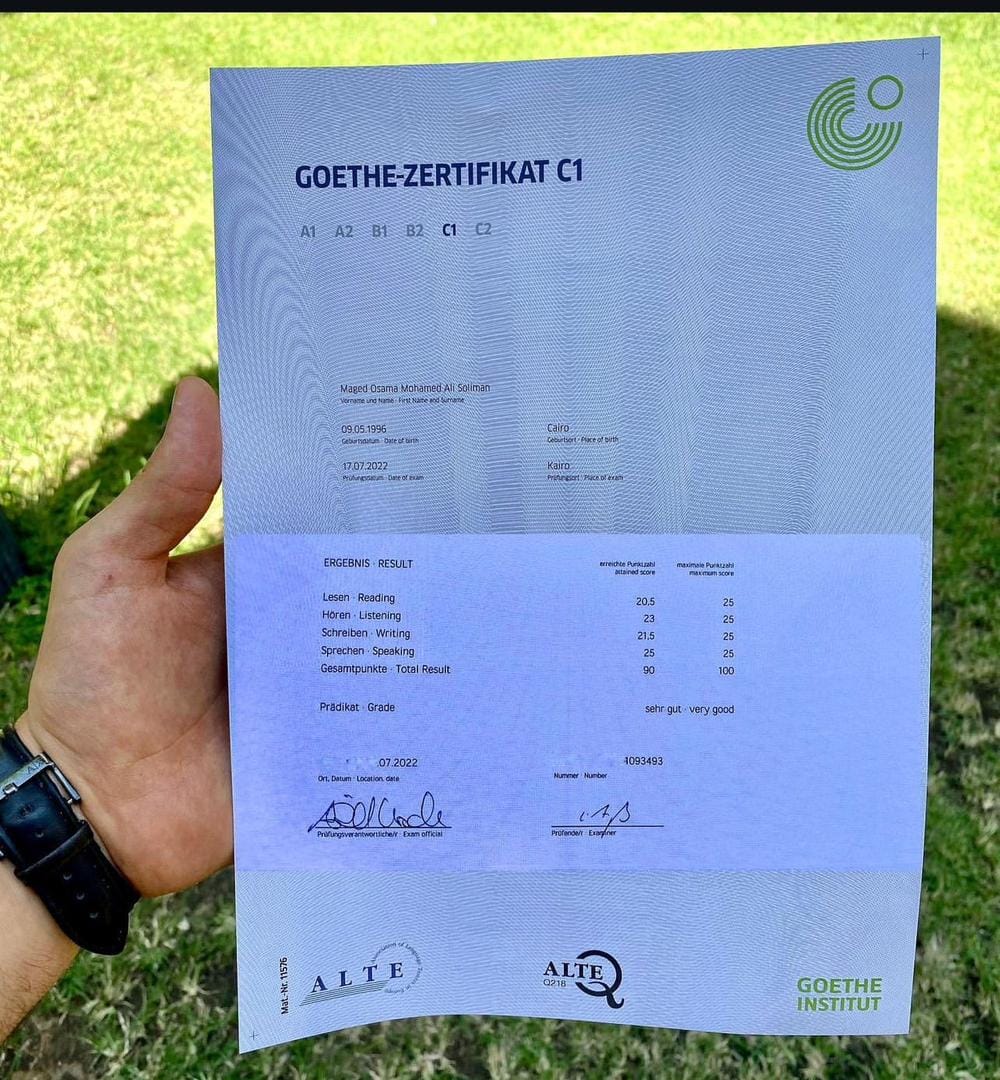
Understanding the B1 Certificate: A Gateway to Linguistic Proficiency
Language efficiency exams act as standards for people intending to validate their language skills. One such significant accreditation is the B1 Certificate, which evaluates an individual's competence in the English language according to the Common European Framework of Reference for Languages (CEFR). This article looks into the significance, structure, preparation strategies, and typical questions connected with the B1 Certificate.
What is the B1 Certificate?
The B1 Certificate represents that a learner has reached an intermediate level of proficiency in English. At this stage, prospects are capable of managing a variety of daily circumstances, expressing opinions, and talking about topics that recognize to them.
Key Features of the B1 Level
| Feature | Description |
|---|---|
| Listening | Comprehending the bottom lines of clear standard speech on familiar matters. |
| Reading | Checking out and understanding texts that consist generally of high frequency everyday or occupational language. |
| Speaking | Producing simple linked text on topics that recognize or of individual interest. |
| Composing | Writing simple linked text on topics that recognize or of personal interest. |
Why is the B1 Certificate Important?
- Career Advancements: Many employers need proof of language skills, and a B1 Certificate can improve task potential customers in various fields.
- Academic Opportunities: Students intending to study abroad frequently require to supply proof of their English efficiency. ÖSD Zertifikat Verifizieren acts as a valuable credentials for undergraduate studies in English-speaking countries.
- Travel: Knowing English at a B1 level helps with smoother communication while traveling, enabling individuals to navigate unknown environments with confidence.
- Personal Development: Achieving the B1 Certificate can increase self-confidence and encourage students to continue enhancing their language skills.
Structure of the B1 Exam
The B1 Certificate exam normally incorporates the following elements:
| Component | Duration | Description |
|---|---|---|
| Listening | Thirty minutes | Candidates listen to recordings and answer concerns based on them. |
| Reading | 60 minutes | Individuals read texts and address understanding concerns. |
| Composing | 60 minutes | Prospects compose a short essay or letter relating to a given subject. |
| Speaking | 10-15 minutes | In sets or groups, prospects participate in a conversation and response concerns. |
Breakdown of Each Exam Component
- Listening: This element consists of numerous tasks, including multiple-choice concerns, fill-in-the-gaps, and true/false declarations. It evaluates the capability to understand fundamental conversations, announcements, and conversations on familiar subjects.
- Checking out: The reading section features passages from posts, advertisements, and emails. Candidates should show their understanding by answering concerns associated with the texts.
- Writing: In the composing portion, people are usually needed to compose a casual letter or email, sharing personal experiences or opinions. This evaluates their capability to interact in written English.
- Speaking: Candidates take part in a structured dialogue with an examiner or peer, covering both prepared subjects and spontaneous questions. This evaluates conversational capabilities, pronunciation, and fluency.
Preparation Strategies for the B1 Exam
Getting ready for the B1 Certificate needs a strategic approach to efficiently boost language abilities. Here are some ideas to help candidates get all set:
- Familiarize with the Exam Format: Understanding each element of the exam and practicing accordingly can considerably minimize anxiety on test day.
- Practice Listening Skills: Engage with English speech through podcasts, films, and songs. Usage comprehension questions to gauge understanding.
- Enhance Reading Comprehension: Read a variety of products such as papers, blog sites, and literature to construct vocabulary and understanding skills.
- Improve Writing Skills: Regularly compose short essays and letters based upon triggers, and seek feedback from instructors or peers to boost composing proficiency.
- Engage in Speaking: Practice speaking with native speakers or fellow learners. Language exchange platforms can provide opportunities for conversation.
- Use Online Resources: Various sites provide mock exams and practice materials tailored for B1 learners. Platforms like Duolingo, Babbel, and other language learning apps can be useful.
- Join Study Groups: Collaborating with fellow students can develop a motivating environment for practicing all aspects of the language.
Often Asked Questions (FAQs)
1. What is the validity of the B1 Certificate?
The B1 Certificate does not have an expiration date; however, it is recommended to restore language skills frequently as they can diminish without practice.
2. The length of time does it take to prepare for the B1 exam?
Preparation duration can vary based on the person's starting level. Usually, students may need 6-12 months of devoted study to reach the B1 level.
3. Where can I take the B1 exam?
Various organizations, consisting of language schools and universities, offer B1 Certificate exams. It is vital to check the recognized organizations within your area.
4. What is the difference in between B1 and other CEFR levels?
The CEFR lays out six levels of language efficiency varying from A1 (Beginner) to C2 (Proficient). B1 is the 3rd level, indicating an independent user who can handle everyday interaction in English.
5. Can I retake the exam if I do not pass?
Yes, prospects can retake the B1 Certificate exam as many times as required till they attain the wanted outcome.
The B1 Certificate works as a vital stepping stone for people seeking to enhance their English language abilities, improve their profession potential customers, or pursue academic goals. Through devoted preparation and understanding of the exam structure, candidates can successfully navigate their path to attaining this certification. By accepting the obstacles that included learning a language, people not only improve their interaction abilities but also enhance their personal and expert lives.
For those getting ready for the B1 Certificate, determination and practice can pave the method for a fulfilling and effective journey on the planet of language knowing.